

Integrating Custom Cabinets into Your Build Schedule: Best Practices for DC Builders
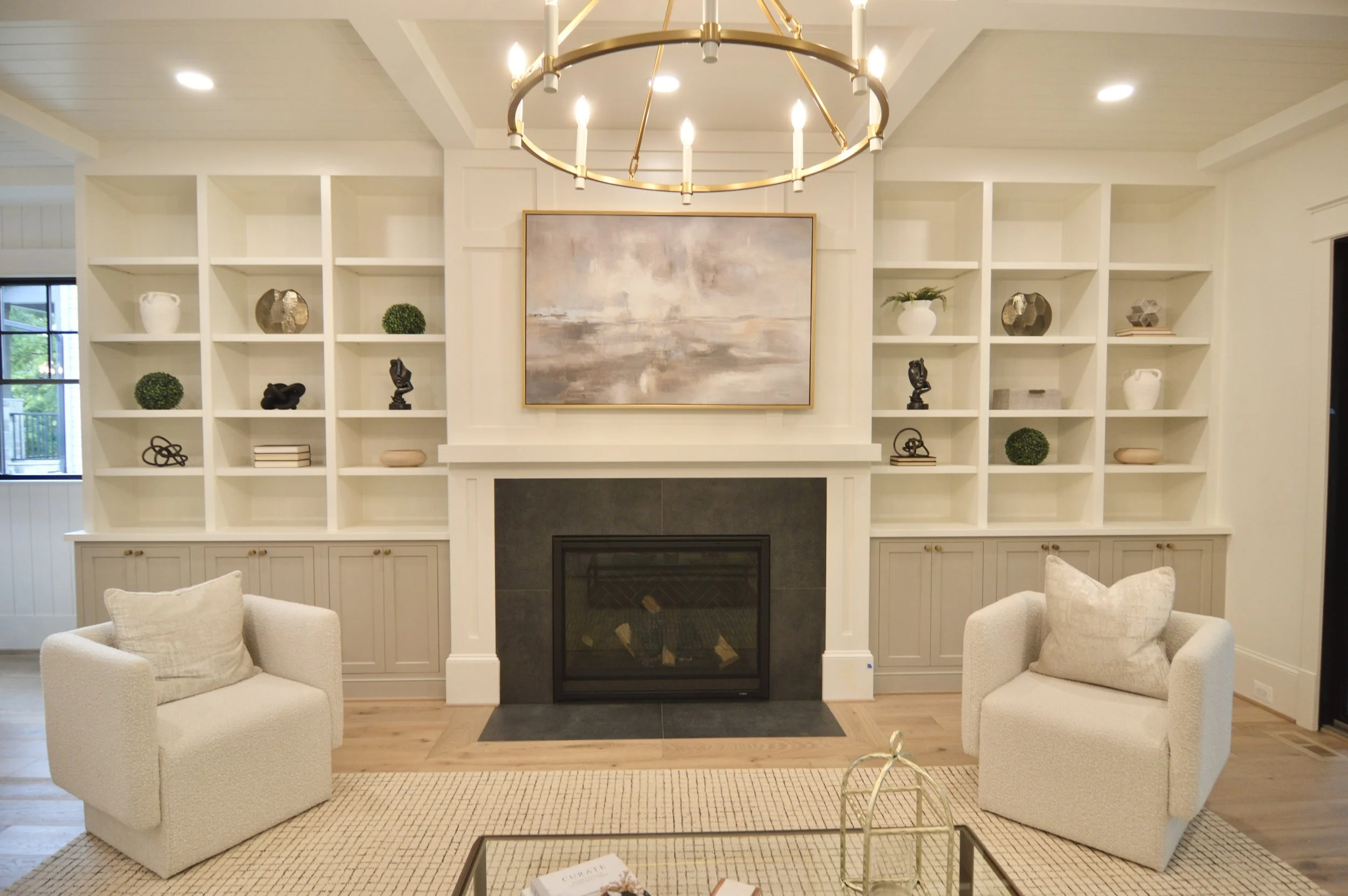
When you’re managing a project in Washington, DC, or anywhere across the DMV, smooth scheduling is everything. Between coordinating trades, managing inspections, and meeting client expectations, even a small delay can create a domino effect. And one of the most common causes of timeline disruption? Cabinets.
As a custom cabinet manufacturer with over 40 years of industry experience, we can tell you that cabinetry is one of the most time-sensitive components of a build. Whether you're handling a whole-home remodel or a multi-unit construction project, integrating custom cabinets into your build schedule early and correctly will save you time, money, and stress.
In this guide, you’ll learn practical, builder-focused best practices to streamline cabinet planning from pre-construction to installation while keeping your project on time and your clients happy.
Why Cabinet Scheduling Matters More Than Most Builders Realize
Cabinetry isn’t a plug-and-play component. Unlike lighting fixtures or plumbing trims, custom cabinets involve:
design approval (several rounds of revisions and customer feedback back and forth)
Multiple measurements (at the design stage and right before placing the order for production)
technical shop drawings
fabrication time
finishing
delivery scheduling
installation
corrections or adjustments (if needed)
This means cabinetry affects multiple phases: framing, electrical, plumbing, drywall, flooring, and final punch-out.
If cabinets are delayed, the rest of your trades feel it, especially your countertop fabricator and finish carpenters.
At Bullseye Wood, we work with Builders, Interior Designers, and Architects every day who need reliable, predictable timelines. That’s exactly why planning cabinets early is a non-negotiable.
1. Start Cabinet Planning in the Pre-Construction Phase
Most build schedules fall behind because cabinet work begins too late.
What should happen during pre-construction?
Finalize kitchen, bath, and closet layouts
Select cabinet styles, finishes, and material types
Confirm appliance and sink(s) specifications
Identify custom modifications (pull-outs, spice racks, organizers, etc.)Understand the production lead time from your custom cabinet makers
At Bullseye Wood, we specialize in custom cabinets, meaning each order is built to spec rather than mass-produced. As a result, builders benefit greatly when they involve us in the earliest planning meetings. Most of our builders send us the CAD drawings for their projects as soon as the plans are approved, so we can get started with preliminary design and budgeting.
2. Schedule On-Site Measurements at the Right Time
Accurate measurements are the backbone of a smooth cabinet installation, but relying on a single measurement isn’t sufficient. To keep projects on schedule and avoid rework, we recommend two separate measurement visits.
1) Preliminary Measurement -After Rough Framing
This first visit allows us to review the space while framing and rough mechanicals are still open. At this stage, we can:
Confirm cabinet layout feasibility
Recommend adjustments to plumbing, electrical, and venting locations
Identify spacing or clearance issues early
Help ensure that the rough work aligns with the final cabinet plan
This early coordination prevents downstream conflicts that often lead to delays or change orders.
2) Final Measurement - After Drywall Is Hung
The second visit happens once drywall is in place, and the room has its final shape. This is when we take precise, final measurements before releasing the order to fabrication.
It ensures that dimensions are accurate, walls are square, and all clearances match the approved design.
This two-step approach ensures that the cabinetry order is correct, fabrication begins without risk, and the installation fits exactly as intended.
At Bullseye Wood, our team performs both measurement visits to support builders and builders in keeping projects on schedule and minimizing costly adjustments.
3. Understand Lead Times & Build Your Schedule Backwards
Custom cabinetry lead times vary across the industry, but quality fabrication generally takes 4–6 weeks, depending on:
complexity
wood species
finish requirements
order size
shop capacity
For high-volume projects in Washington, DC, and Northern Virginia, especially condos and rowhomes, lead times may also fluctuate seasonally.
How to plan accurately:
Work backwards from your desired installation date:
Here’s a practical example:
Installation target: March 15
Build time: 5 weeks
Shop drawings & approvals: 1 week
Measurement appointment after drywall: Feb 1
This means you should wrap up design approval by late January.
Bullseye Wood provides clear production schedules and updates so builders can plan confidently.
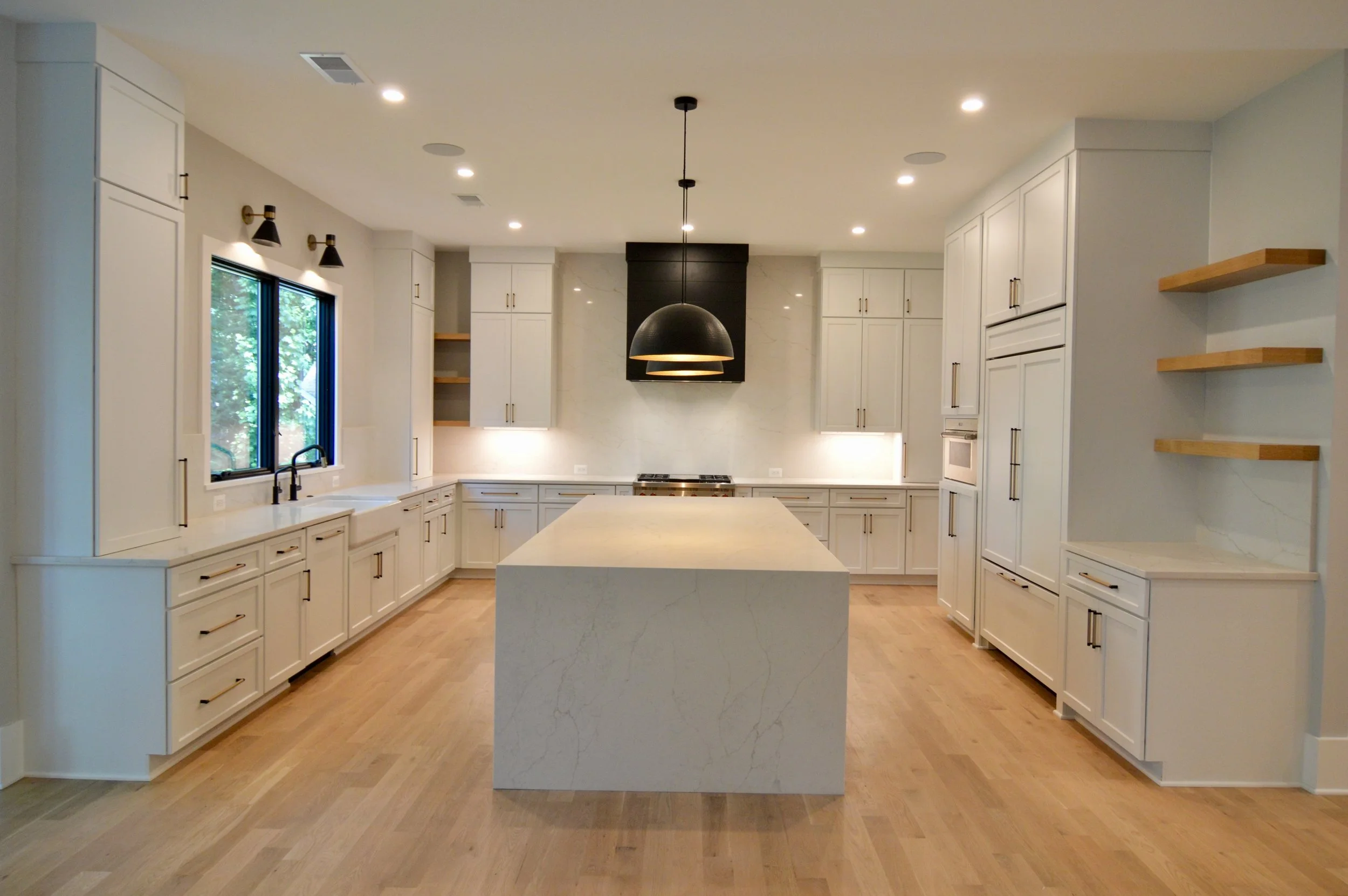
4. Approve Cabinet Designs and Shop Drawings Quickly
Delays often happen not because of fabrication issues, but because drawings sit in a builder’s inbox for days or weeks.
Shop drawings include:
cabinet dimensions
layout elevations
appliance clearances
trim details
ceiling heights
filler pieces
molding details
toe-kick and baseboard requirements
These must be checked and approved quickly.
Best practice:
Set an internal deadline: 24–48 hours for review and approval.
Once shop drawings are approved, fabrication can begin immediately without delaying your build schedule.
5. Prepare Your Job Site Before Cabinet Delivery
A site that isn’t ready causes more delays than most builders expect. Custom cabinets require a clean, controlled environment before delivery.
Your site should meet these conditions:
Floors installed (unless cabinets sit underneath)
Walls fully painted or primed
HVAC running (to control humidity)
Space cleared for staging
Electrical rough-in aligned with cabinet plans
Plumbing rough-in is correct and capped
Appliances on site or confirmed with the client
Proper site preparation prevents damage and costly last-minute adjustments.
6. Coordinate Cabinets with Other Trades
This is where experienced project managers excel. Cabinets need to align with:
Electricians
outlet placement
microwave/hood ventilation
under-cabinet lighting
panel locations
Plumbers
sink base openings
dishwasher/stove locations
refrigerator water lines
Countertop fabricators
final countertop measurements
sink cutouts
overhang specifications
Flooring installers
flooring height variations
transitions around cabinet bases
Painters
touch-up around the crown or filler pieces
When your cabinet manufacturer provides clear installation diagrams, as we do at Bullseye Wood, your trades can coordinate seamlessly.
7. Schedule Cabinet Installation Thoughtfully
Custom cabinets should be installed:
after flooring
after interior painting
after trim carpentry (except specialty cases)
before countertops
before backsplashes
before plumbing fixture installation
How long does installation take?
Standard kitchen: 2–3 days
Large kitchen: 3–5 days
Whole-home cabinetry: 1–3 weeks
At Bullseye Wood, our Made to Order cabinets arrive ready to install, saving builders valuable time on site.
8. Allow Time for Adjustments & Final Punch-Out
Even with perfect measurements and fabrication, custom cabinet installation may need:
small adjustments
hardware alignment
door and drawer tuning
filler tweaks
crown molding refinements
Build at least 2–5 days into your schedule for punch-out work before calling in your countertop fabricator.
This ensures flawless results and prevents costly delays.
9. Plan Countertops and Finishes After Cabinet Installation
Countertop templating should happen only after cabinets are fully installed and secure.
Stone fabricators typically need:
5–10 days for manufacturing
1-2 days for installation
Once countertops are in, you can complete:
backsplash
faucet installation
garbage disposal hookup
final painting
appliance installation
This sequence prevents damage and rework.

10. Work with a Cabinet Manufacturer That Understands Builders Timelines
In Washington, DC, where remodels and urban infill projects move fast, you need a partner who understands the realities of jobsite coordination.
At Bullseye Wood, we specialize in serving:
General Builders
builders
remodelers
property developers
design-build firms
We’re not a retail store, we’re a trade-first manufacturer offering dependable lead times, quality cabinets, and consistent support.
Example Build Schedule for a Standard DC Kitchen
Here’s a practical timeline breakdown:
Week 1–2: design approval, appliance selections
Week 3: site measurement
Week 4: shop drawings created
Week 5: builder approval
Week 6–10: fabrication
Week 11: delivery and staging
Week 12: cabinet installation
Week 13: countertop templating
Week 14: countertop installation
Week 15: backsplash, plumbing, appliance install
Week 16: final punch-out
This schedule varies by project size, but serves as a solid benchmark.
Conclusion: Cabinets Are the Backbone of an Efficient Build Schedule
When managed correctly, cabinetry becomes one of the smoothest phases of your project, not one of the biggest headaches. As a DC-area builder, aligning cabinet planning with your construction timeline will help you:
avoid delays
reduce rework
simplify coordination between trades
deliver a better final product
keep clients satisfied
increase profitability
Bullseye Wood is committed to being a reliable partner in that process. With decades of experience in the Washington, DC market, we understand the unique needs of builders working in rowhomes, condos, luxury homes, and full-scale renovations.
